

Why Home Renovations Are So Expensive?
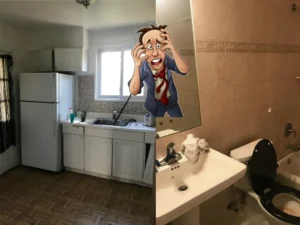
Why Home renovations are so expensive? Home renovations can be expensive for a variety of reasons, many of which depend on factors such as the scope of the project, the materials being used, labor costs, and unforeseen complications. Here are some key reasons why home renovations tend to cost so much:
1. Rising Material Costs
- The price of materials like lumber, steel, drywall, tiles, and concrete has been increasing due to inflation, global supply chain issues, and high demand. For example:
- Lumber prices have been volatile, impacting construction and renovations significantly.
- High-end materials such as natural stone, custom cabinetry, or designer fixtures cost significantly more than basic options.
- Importing specialized materials can further drive up costs due to shipping and tariffs.
2. Skilled Labor is another reason on why is remodeling so expensive
- Skilled tradespeople, such as carpenters, electricians, plumbers, and painters, often charge premium rates due to high demand and their expertise.
- Shortages of skilled labor in certain regions can drive costs even higher as contractors raise prices to meet demand.
- Labor costs also include the time required for proper planning, inspections, and executing the work safely and to code.
3. Permits and Inspections
- Renovation projects, especially large ones, often require permits and approvals from local authorities to ensure compliance with building codes.
- Permits can cost anywhere from a few hundred to thousands of dollars depending on the scope of the project (e.g., adding a new room vs. remodeling a kitchen).
- Inspections may also uncover additional repairs needed, which can increase overall costs.
4. Customization and Design
- Custom designs, tailored cabinetry, and unique architectural details add significant costs compared to off-the-shelf options.
- Hiring architects or interior designers to create custom plans increases the budget for the project.
5. Unforeseen Issues
- Renovations often reveal hidden issues like mold, water damage, structural deficiencies, or outdated electrical or plumbing systems that require immediate attention.
- Addressing these problems adds time and expense to the project.
6. Demolition and Waste Disposal
- Removing old structures, fixtures, and materials (e.g., tearing out walls, cabinets, or flooring) is labor-intensive and creates waste.
- Hiring professionals for demolition and paying for waste disposal services, especially for hazardous materials like asbestos, can add to the overall cost.
7. Energy Efficiency Upgrades
- Many homeowners opt to include energy-efficient upgrades during renovations (e.g., energy-efficient windows, insulation, or HVAC systems), which have a higher upfront cost but save money in the long run.
8. Time and Logistics
- Depending on the complexity of the renovation, projects can take weeks or months to complete. This involves coordinating schedules, managing contractors, and possible disruptions to your daily life.
- Delays due to weather, supply chain issues, or contractor availability can increase overall expenses.
9. Location
- Costs vary significantly depending on where you live. Urban areas or places with high cost of living typically have higher labor and material costs than rural areas.
- Renovations in older homes or historic districts may also require specialized work to maintain the integrity of the structure, further increasing costs.
10. Contractor Overhead is another big reason on why are renovations so expensive
- Reputable contractors charge a premium for their expertise, management, and to cover their own operating expenses (e.g., insurance, equipment, and employee wages).
- Contractors also typically add a markup to materials and subcontractor costs.
11. High Demand for Renovations
- Economic trends, such as people investing in home improvements instead of moving, or increased demand for home offices, have driven up renovation costs.
- After events like the COVID-19 pandemic, there was a significant surge in home renovations, leading to competition for materials and labor.
Tips to Reduce Costs:
- Set a Realistic Budget: Prioritize your needs and stick to a well-defined budget.
- Get Multiple Quotes: Compare estimates from several contractors to find the best value.
- DIY When Possible: Take on smaller tasks (e.g., painting, landscaping) to save on labor costs.
- Use Standard Materials: Opt for quality but affordable materials instead of high-end or custom options.
- Plan Ahead: Avoid changes mid-project, as they can lead to additional costs and delays.
Home renovations can be a significant investment, but with careful planning and prioritization, you can manage costs effectively.At Floors Kitchen & Bath Direct we offer FACTORY DIRECT PRICES that can help to minimize the cost of the renovations. For more, please write to us to corporate@fkbdirect.com or call to 571-286-7080
RECENT POSTS

Which are highest roi home improvements
January 30, 2025
No Comments
Why Home Renovations Are So Expensive?
January 30, 2025
No Comments

How much is a bathroom renovation cost
January 30, 2025
No Comments